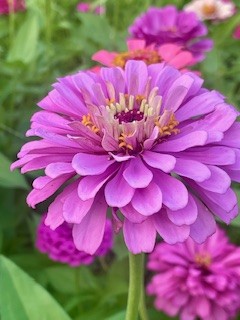
Here in the sweltering days of Tennessee August, the only flowers around my garden that I can really say are thriving are my zinnias. This is my 3rd year growing them, and the zinnia bed has gotten progressively bigger every year.
Apparently when Spanish conquistadors first encountered zinnias in Mexico, they dubbed them, “Mal de ojos” or sickness of the eye. Ok, well maybe they were just being snooty about the foreign flowers. What did the natives think? Oh, the Aztecs called them “eyesores”? So, no one was impressed with this humble little wildflower?
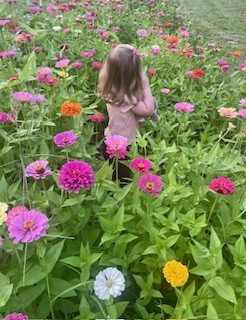
Like so many of our modern garden flowers, the zinnia went on quite the botany journey to become the flower that we know today. The story goes that a German envoy to Mexico sent some seeds to a botanist named Johann Gottried Zinn who studied the flowers that grew from those seeds and shared them with fellow botanists. After his young death at age 32, the zinnia was named for him. In a bit of irony given the zinnia’s original nickname, Zinn’s other field of study was anatomy, and he was the first to map a comprehensive anatomy of the human eye.
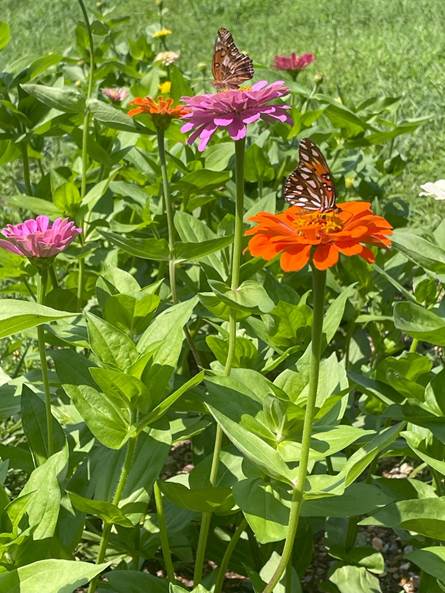
Through experimentation and hybridization, the zinnia came to be the flower that so many gardeners love today. They are easy to grow, provide lots of reliable color through the dog days of summer, and attract lots of pollinators to the garden.
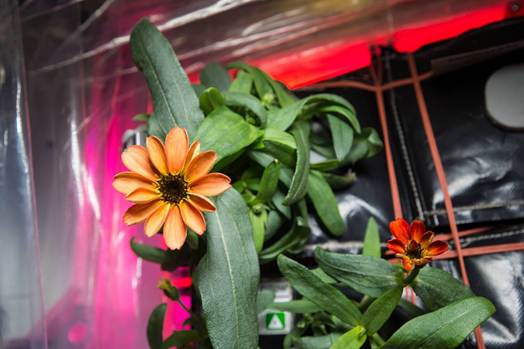
But the journey of the zinnia didn’t end in our earthly gardens. In 2016, astronaut Scott Kelly grew zinnias aboard the International Space Station.
It’s been quite the journey for these flowers over the last five-hundred-some-odd years. From being derided as an eyesore to a gardener favorite that has bloomed its way to space. Not bad for a plant originally dismissed as a scrawny weed. What might be the next “weed” fickle humanity decides to turn its attention towards?
Resources:
Johann Gottfried Zinn – Wikipedia
A Zinnia Grows in Space – Unbound
First Flower Grown in Space Station’s Veggie Facility – NASA


Leave a Reply