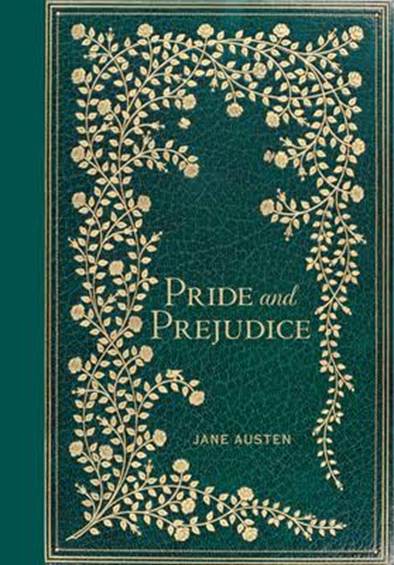
“The Bride and Bridegroom set off for Kent from the church door, and everyone had as much to say, or to hear, on the subject as usual.”
Oh boy, did everyone have much to say and hear on the subject of marriage. The above quote made me literally laugh aloud after Mr. Collins and Charlotte got married. You just have to imagine Jane Austen, at 21 years old, scribbling away at her manuscript and filling it with commentary like that out of sheer frustration and amusement at some of the society customs she lived under.
As the novel opens, we find the slice of society that Elizabeth Bennett lives with all in a tizzy because a well-off gentleman named Mr. Bingley is moving into the nearby Netherfield Park. Her mother is determined that he’s going to marry one of her five daughters. Thusly, we are plunged into Jane Austen’s famous world of Pride and Prejudice.
When Elizabeth Bennet first meets eligible bachelor Fitzwilliam Darcy, she thinks him arrogant and conceited; he is indifferent to her good looks and lively mind. When she later discovers that Darcy has involved himself in the troubled relationship between his friend Bingley and her beloved sister Jane, she is determined to dislike him more than ever. In the sparkling comedy of manners that follows, Jane Austen shows us the folly of judging by first impressions and superbly evokes the friendships, gossip and snobberies of provincial middle-class life.
I kicked off my Classics Club challenge with one of the most famous and beloved classics on my list. When I decided 2026 was going to be the year I finally read a Jane Austen novel, a google search concluded that Pride and Prejudice was the undisputed work to read first. I told my best friend while we were on a hike that I finally read Pride and Prejudice and she got excited and said it’s one of her favorite books to re-read.
After reading it, I understand all the love it gets. It’s funny, witty, and all the characters are so well crafted, they feel like people you know. It was easy to get sucked into the story.
I’ve never read much romance as I stick more to mysteries, thrillers, and sci-fi, but I wanted to branch out more with my classics challenge this year. I’ll admit I was a little skeptical going into this one and thought it might be a slog. Fortunately, I was wrong and I enjoyed the novel much more than I thought I would. Austen’s humor and the social satire won me over. And Elizabeth and Mr. Darcy just feel so realistic with all their flaws and quirks as they overcome one misunderstanding after another to fall in love that I found myself charmed in spite of all that “I don’t really like romance” nonsense I tell myself.
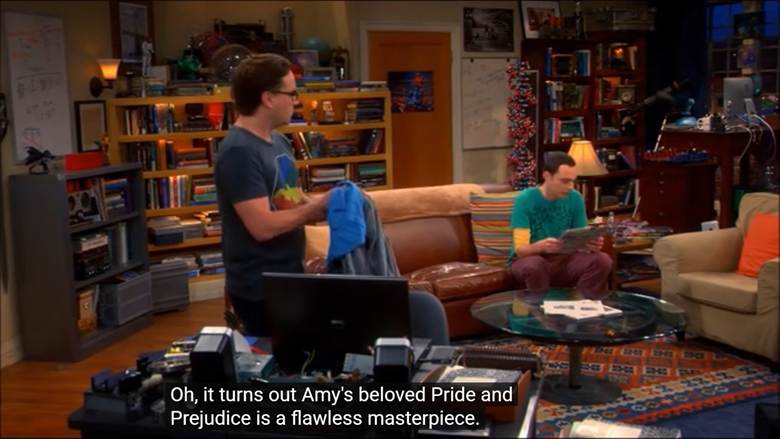

“Her hopes were answered; Jane had not been gone long before it rained hard. Her sisters were uneasy for her, but her mother was delighted.”
Oh, Mrs. Bennet. I kept trying to be sympathetic towards her and remember that the way her society was set up would result in her daughters and herself all being destitute and possibly homeless after Mr. Bennet died if her daughters did not marry men who could provide for them. With this context, no wonder she had such single-mindedness in finding suitable matches for all her girls. But then she would do something like get excited about Jane getting caught in the storm because she thought it might help her land Mr. Bingley if she got to stay at Netherfield a little longer. Never mind that Jane got horribly ill. Mrs. Bennet had such poor self-awareness, that her tactics to land husbands for her girls usually backfired. Mr. Bennet was no better. His contempt for his wife and his aloofness with all his daughters except for Elizabeth created as many problems as Mrs. Bennet did with her misguided matchmaking. Why didn’t they save more money when it was clear that they weren’t going to have a son to inherit their home and keep the rest of the family protected after Mr. Bennet’s death? In this world where young women have so little agency, it is terrifying that they have to rely on such unreliable parents. Unfortunately, unreliable families are a timeless issue, and it’s a theme readers have no issue relating to in 2026 despite such different cultural norms. There’s so much focus on the romance in this novel, but it feels like a story about a dysfunctional family as much as a romance.
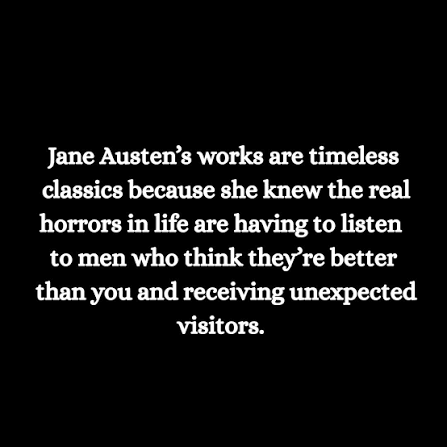
“How despicably I have acted!” she cried; “I, who have prided myself on my discernment! […] Pleased with the preference of one, and offended by the neglect of the other […] I have courted prepossession and ignorance, and driven reason away, where either were concerned. Till this moment I never knew myself.”
I had to jot the above quote into my journal. Lizzie has one of those moments of self-discovery that stops a person in their tracks. She thought she had a gift of discernment and had gone through life trusting her own judgement to guide her. She realizes here she’s misjudged not only Mr. Darcy and Mr. Wickam, but most upsettingly, herself. It’s such a relatable human moment and another one that proves why this novel has endured and kept readers coming back for over two hundred years.
And I likewise had misjudged this book before I actually gave it a try. It’s not going onto my all-time favorites list, but I really enjoyed it and I’m glad I finally read it for my classics challenge. And one day soon I’ll get around to watching one of the many adaptations. If for no other reason than to watch that disastrous first proposal play out.
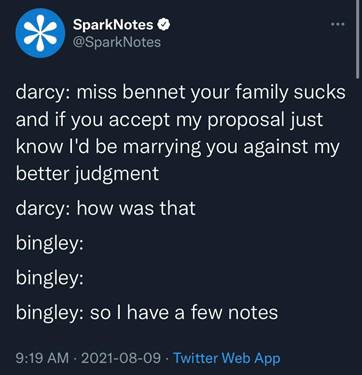
Other stray thoughts:
- Reading Jane Austen’s biographical information, I learned that she passed away at the age of 41. The same age I am reading Pride and Prejudice for the first time.
- Pride and Prejudice has been adapted many times over and inspired countless modern retellings. I realized about halfway through that Bridget Jones Diary is just Pride and Prejudice retold. At first, I just thought it kept reminding me of Bridget Jones because Colin Firth plays a Mr. Darcy in both movie adaptations, but it kept nagging at me and I realized they really were parallel stories set in different time eras. I still haven’t seen any of the Pride and Prejudice adaptations, but I have seen Bridget Jones too many times to count along with reading it years ago. I guess I liked Jane Austen years before I even realized it.
- Learning more about Jane Austen, I realized there is quite a lot about her we just don’t know. I somehow never realized this because of the large literary figure she remains today. We don’t even know what caused her young death. Her sister Cassandra burned many of her letters after she died to protect the family and so much of what Jane thought and wrote about was lost. Some have hailed her as a feminist icon, centuries ahead of her time, other scholars have proffered that Jane and her family were conservatives who opposed the liberal Whig party. The modern picture we have of Jane has been shaped by our own viewpoints. But long before modern scholars tried to shape Jane into whatever image that suited them, it appears her family did the same thing with her legacy. They tried to paint her as “good, quiet Aunt Jane” after her death, but critics have disputed this image of her.
- I knew her works have inspired countless writers with books like Pride, Prejudice, and Zombies and The Other Bennett Sister, but this inspiration goes way back. In 1926, Rudyard Kipling published a collection of short stories that included a story called The Janeites about a group of WW1 soldiers who were fans of Jane Austen’s works.
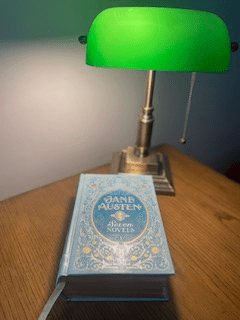
- I have the beautiful Barnes and Noble edition of all of Jane Austen’s novels, and I did read some from it, but the thing is so heavy I broke down and checked out an ebook copy from the library app for more comfortable reading. The nice thing about a lot of classics is that there are plenty of free options for both ebooks and audiobooks on Libby!
Sources:
What We Know and Don’t Know about Jane Austen’s Life – JASNA North Carolina

