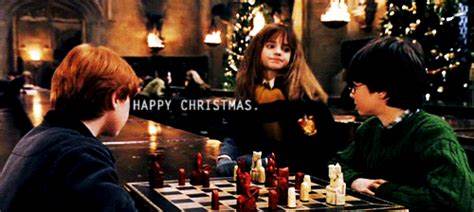
I accidently stumbled upon an old debate that used to divide people about the proper terminology for holiday greetings. Well actually debate about holiday greeting terminology is still an active battle in some people’s minds, but that’s another topic, and not really one I want to delve into. Just noting that we humans haven’t really changed much….
We have a couple sets of alphabet refrigerator magnets and I will spell out little messages with them. At the start of the month, I went to spell out “Merry Christmas” and realized I didn’t have enough “R”s for that so I wrote “Happy Christmas” instead. I already had the Happy from Thanksgiving.
“That’s how they say it in England,” I told my one-year-old, and later my husband who saw it when he went to get something from the fridge and noted the strange to us wording.
In our part of the world, “Merry Christmas” is the way we’ve always heard Christmas greetings expressed. Sure, we’ll wish someone a happy birthday, Easter, or Thanksgiving. But when it comes to Christmas, it’s Merry. The word Merry by itself has come to signify Christmas.
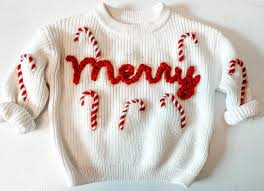
Like many Americans, much of what I know about British culture, I learned from Harry Potter. Harry and Ron wishing each other a “Happy Christmas” instead of a “Merry” one is how I assumed this was just the British way of phrasing Christmas greetings. Of course, it could have just been a wizard thing, and not a British thing and I wouldn’t have known the difference. But I did also hear the Queen say “Happy Christmas” and that coupled with Harry Potter solidified it in my head as The British Way to say Merry Christmas.
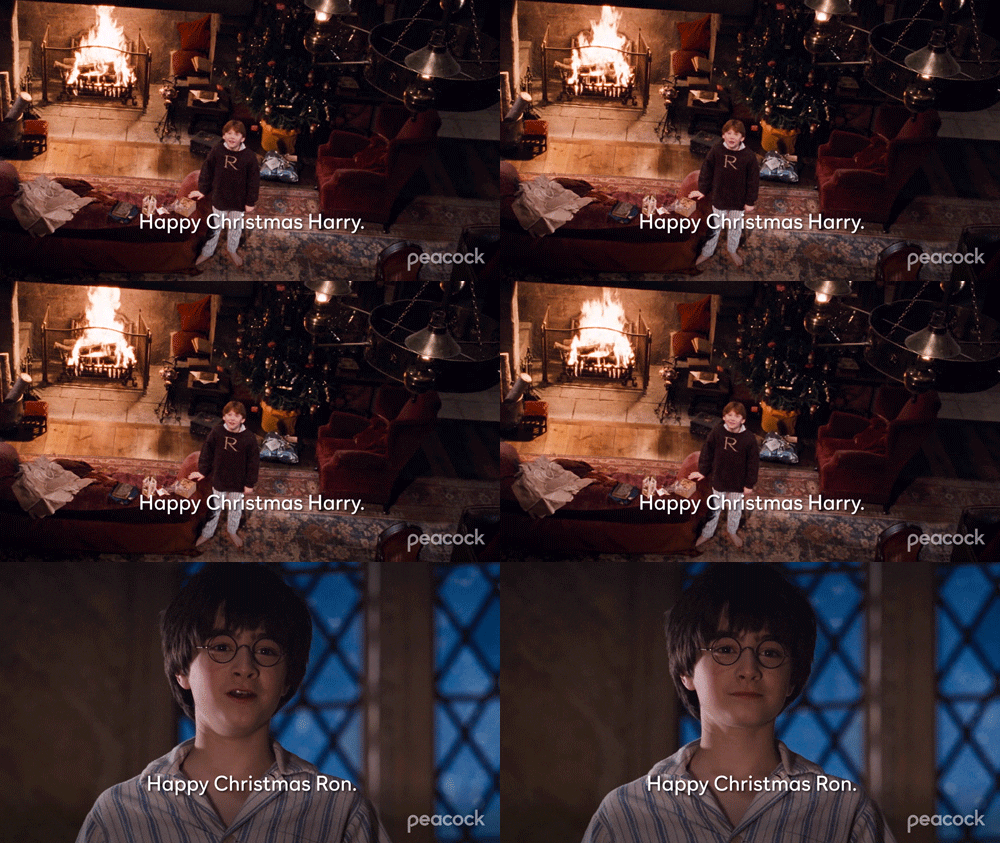
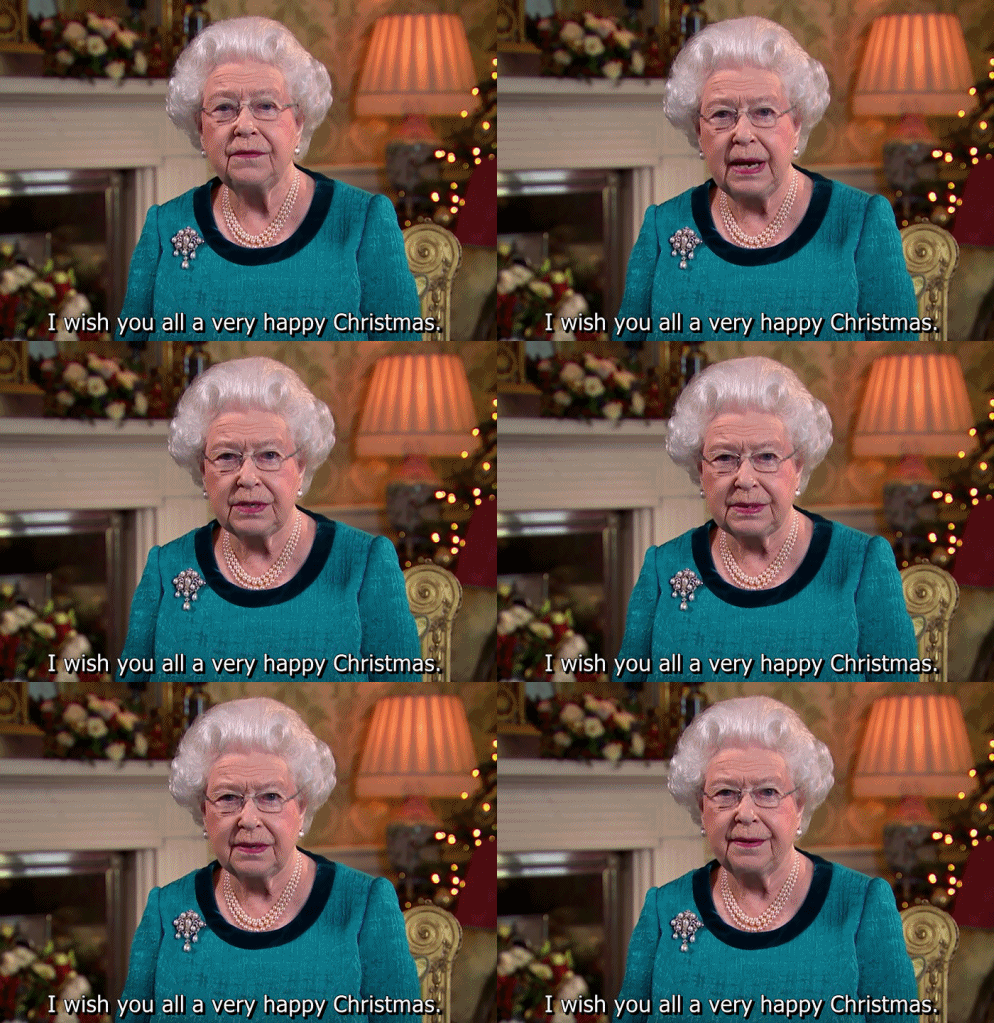
So I didn’t fret when I was an “R” short because if Harry Potter and the Queen can wish people a “Happy Christmas”, it’s good enough for my fridge magnets.
But it turns out there used to be a real divide amongst people about how to phrase this.
The term “Merry Christmas” has been around at least since the 1500’s, including in the Christmas song, “We wish you a Merry Christmas.” Charles Dickens helped to solidify the term in 1843 with the publication of A Christmas Carol. The first commercial Christmas card was also sold in 1843 and read, “A Merry Christmas and a Happy New Year to You.”
But clergymen in the Victorian Era had some qualms with wishing people “Merry Christmas” because it conjured up images of drunken, low-class merrymaking and they were attempting to promote temperance. They decided saying “Happy Christmas” was much more pious, reserved, and sober sounding.
It didn’t help that the first Christmas card in 1843 depicted a scene of a family, including pretty young-looking children sharing a bottle of wine.
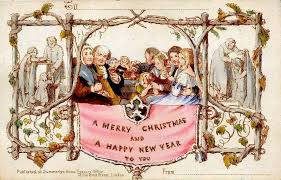
Apparently, the card prompted criticism of encouraging underage drinking and refreshed many people’s belief that the term “Merry” Christmas needed to end.
But we know how that went. Here in 2024, Merry revels on.
It’s strange to read about all this in 2024. So many little weird twists of phrases can set humans down paths that continue for centuries to come. Here now in my part of the world, we say “Merry Christmas” without thinking there to be any particular connotations beyond wishes for a good holiday. But there was an interesting road that got us here linguistically speaking.
So however you phrase it, Happy or Merry, may you have a wonderful Christmas filled with love, joy, peace, and plenty of time spent with the ones that you love.
 Rachel F. Jean
Leave a comment